Did you know?
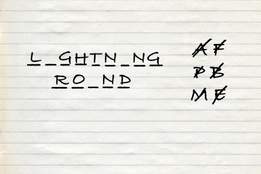
Many people were displeased when George I became king of England in 1714, and his opponents were soon leading rebellions and protests against him. The British government, anxious to stop the protests, passed a law called the "Riot Act." It allowed public officials to break up gatherings of 12 or more people by reading aloud a proclamation, warning those who heard it that they must disperse within the hour or be guilty of a felony punishable by death. By 1819, "riot act" was also being used more generally for any stern warning or reprimand. Although the law long ago fell into disuse and was finally repealed in 1973, the term that it generated lives on today.
Examples of riot act in a Sentence
 Anthony Depalma,
Mercury News,
22 May 2026
Half of MomTok, led by Jessi, spent the previous evening reading Dakota the riot act for hooking up with a friend of Taylor’s.
—
Kathleen Walsh,
Vulture,
13 Mar. 2026
But this wasn’t the guy who struggled earlier this season to the point that Cronin had to read him the riot act, as he has been known to do.
—
Jim Alexander,
Oc Register,
25 Feb. 2026
In the late ’80s, for example, he was implicated (and read the riot act by a court for his actions) in the goring and critical injury of a fellow outdoorsman, an event that cost Peter at least one of his oldest friends in Africa.
—
Chris Wallace,
Vogue,
17 Dec. 2024
Expert John reads him the riot act, and says that Timmy is either going to have to give Lucinda a smooch and lean into the affection — or the relationship is dunzo.
—
Alexandra Koster,
refinery29.com,
11 Feb. 2024
Anthony Depalma,
Mercury News,
22 May 2026
Half of MomTok, led by Jessi, spent the previous evening reading Dakota the riot act for hooking up with a friend of Taylor’s.
—
Kathleen Walsh,
Vulture,
13 Mar. 2026
But this wasn’t the guy who struggled earlier this season to the point that Cronin had to read him the riot act, as he has been known to do.
—
Jim Alexander,
Oc Register,
25 Feb. 2026
In the late ’80s, for example, he was implicated (and read the riot act by a court for his actions) in the goring and critical injury of a fellow outdoorsman, an event that cost Peter at least one of his oldest friends in Africa.
—
Chris Wallace,
Vogue,
17 Dec. 2024
Expert John reads him the riot act, and says that Timmy is either going to have to give Lucinda a smooch and lean into the affection — or the relationship is dunzo.
—
Alexandra Koster,
refinery29.com,
11 Feb. 2024
Cite this Entry
“Riot act.” Merriam-Webster.com Dictionary, Merriam-Webster, https://www.merriam-webster.com/dictionary/riot%20act. Accessed 6 Jul. 2026.
 Copy Citation